
Sleep quality remains one of the most persistent health challenges facing UK adults. According to The Sleep Charity‘s 2024 report, 37% of UK adults experience insomnia symptoms, with an estimated 14.3 million individuals remaining undiagnosed. The gap between suffering and effective intervention has driven substantial interest in sleep-supporting supplements—yet the market offers a bewildering array of ingredients, dosages and formulation claims that rarely align with published research.
Unlike prescription sedatives that impose sleep through generalised central nervous system depression, targeted nutritional compounds work by modulating specific biological pathways: circadian signalling, neurotransmitter balance, mineral cofactor availability and thermoregulation. This precision approach addresses the underlying mechanisms disrupting sleep architecture rather than simply masking symptoms. Five ingredients have emerged from peer-reviewed research with consistent clinical validation, each supported by distinct mechanisms and dosage-response data.
Sleep ingredients: rapid orientation guide
- Melatonin (0.5-1mg UK): circadian rhythm realignment, best for difficulty falling asleep
- Magnesium glycinate (200-400mg): GABA modulation and muscle relaxation, targets nocturnal waking
- Glycine (3g): core temperature reduction, enhances deep sleep quality
- L-theanine (100-200mg): alpha wave promotion without sedation, addresses racing thoughts
- GABA (100-500mg): inhibitory neurotransmitter support, calms neural hyperactivity
The challenge extends beyond simple tiredness. Persistent sleep disruption undermines immune resilience, accelerates age-related cognitive decline, and elevates risks for cardiovascular disease, type 2 diabetes and metabolic dysfunction. Traditional pharmaceutical interventions—prescription hypnotics—impose sleep through generalised central nervous system suppression, yet carry dependency risks, tolerance development and next-day impairment that limit their suitability for sustained use. This clinical context drives the shift towards ingredient-targeted approaches that support rather than override the body’s natural sleep regulation systems.
Effective intervention requires understanding which specific biological pathways are disrupted in your case. Circadian timing issues demand different solutions than neurotransmitter imbalances or mineral deficiencies. The five ingredients detailed in this article—melatonin, magnesium, glycine, L-theanine and GABA—each address distinct mechanisms with published clinical validation, established safety profiles and legal availability under current UK MHRA regulations, allowing strategic matching to individual sleep disruption patterns.
Understanding how ingredients reshape sleep architecture
Sleep disruption extends far beyond next-day fatigue. Chronic poor sleep compromises immune function, accelerates cognitive decline, elevates cardiovascular risk and impairs metabolic regulation. Traditional prescription hypnotics address symptoms through non-selective sedation, yet dependency risks and next-day impairment limit long-term suitability. This explains the shift towards ingredient-targeted approaches that support the body’s natural sleep regulation systems rather than overriding them.
Sleep quality depends on coordinated biological systems: the circadian clock (governed by melatonin) signals appropriate sleep timing; neurotransmitter balance between excitatory (glutamate, noradrenaline) and inhibitory (GABA, adenosine) systems enables the transition from wakefulness; mineral cofactors like magnesium support these regulatory processes; and core temperature decline facilitates deep sleep stages. Each pathway represents a potential intervention point.
Sleep cycle essentials: A typical night’s sleep progresses through 4-6 cycles, each lasting approximately 90 minutes. Within each cycle, you transition through light sleep (N1, N2), deep sleep (N3) and REM sleep. Deep sleep, concentrated in the first half of the night, drives physical restoration, tissue repair and memory consolidation. Insufficient deep sleep leaves you feeling unrefreshed despite adequate total sleep duration—the subjective experience of non-restorative sleep.
Five ingredients have accumulated substantial clinical evidence for their effects on these sleep-regulating mechanisms: melatonin for circadian realignment, magnesium for neurotransmitter modulation and muscular relaxation, glycine for thermoregulation, L-theanine for anxiolytic effects without sedation, and GABA for direct inhibitory neurotransmission support. Selection criteria prioritised peer-reviewed efficacy data, established safety profiles and legal availability in the UK market under current MHRA regulations.
Five compounds with consistent clinical validation
The five ingredients below demonstrate strong convergence between mechanistic plausibility, clinical evidence and real-world data. Each operates through distinct pathways, making them complementary rather than redundant when combined.
Melatonin: the circadian realignment signal
Melatonin functions as the body’s primary circadian timing signal, with secretion rising in the evening to promote sleep readiness and declining before waking. Supplementation proves particularly effective for sleep onset difficulties related to circadian misalignment: shift work, jet lag and delayed sleep phase syndrome. A 2024 dose-response meta-analysis published in the Journal of Pineal Research demonstrated that melatonin progressively reduces sleep onset latency, with effects peaking at 4mg daily dosing.
UK regulations, however, impose stricter controls than research dosing would suggest. As confirmed by the MHRA in August 2025, melatonin exceeding 1mg requires prescription authorisation in the UK, contrasting sharply with US supplements commonly containing 5-10mg. Paradoxically, this restriction may align with clinical evidence: lower doses (0.5-1mg) often prove equally effective for circadian regulation whilst minimising next-day grogginess. Timing matters substantially—taking melatonin 60-90 minutes before desired sleep onset optimises efficacy. Potential interactions with anticoagulants, immunosuppressants and diabetes medications necessitate professional consultation before use.
Magnesium: the neural relaxation mineral
Magnesium serves as a cofactor in over 300 enzymatic reactions, with particularly relevant roles in GABA receptor function and cortisol regulation. Deficiency—surprisingly common in Western diets due to soil depletion and food processing—manifests through symptoms including sleep maintenance difficulties, muscular tension and nocturnal leg cramps. Supplementation addresses these deficits whilst supporting the inhibitory neurotransmission required to sustain sleep through the night.
Clinical trials demonstrate improvements in subjective sleep quality, reduced nocturnal awakenings and decreased sleep onset latency with magnesium supplementation in the 200-400mg range. The chemical form proves critical: magnesium glycinate offers superior absorption and gastrointestinal tolerance compared to magnesium oxide, which frequently causes digestive upset at therapeutic doses. The evidence supports magnesium as particularly valuable for individuals experiencing sleep maintenance issues (waking at 2-4am and struggling to return to sleep) rather than pure onset difficulties. Interactions remain minimal, though magnesium can reduce absorption of certain antibiotics when taken simultaneously.
Glycine, L-theanine, and GABA: neurotransmitter modulators
Three compounds operate through complementary effects on calming neurotransmission, each with distinct mechanisms. Glycine, a simple amino acid, reduces core body temperature through vasodilation in peripheral tissues—a physiological change that signals sleep readiness to the brain. Research demonstrates that 3g of glycine before bed enhances subjective sleep quality and objectively increases time spent in deep sleep stages, whilst reducing daytime fatigue following sleep restriction.
L-theanine, an amino acid concentrated in green tea, promotes alpha brain wave activity associated with relaxed alertness. Unlike sedatives, L-theanine reduces perceived stress and racing thoughts without impairing cognitive function—valuable for individuals whose sleep disruption stems from mental hyperactivity rather than circadian or physiological dysfunction. Dosages of 100-200mg demonstrate anxiolytic effects that facilitate sleep onset in stress-related insomnia patterns.
GABA (gamma-aminobutyric acid) represents the brain’s primary inhibitory neurotransmitter, counterbalancing excitatory signalling. Oral supplementation faces theoretical limitations due to questions about blood-brain barrier penetration, yet controlled trials using specific formulations demonstrate measurable improvements in sleep latency and quality. Effective dosages range from 100-500mg depending on formulation. The three compounds show potential for synergistic effects when combined, addressing multiple sleep disruption mechanisms simultaneously.
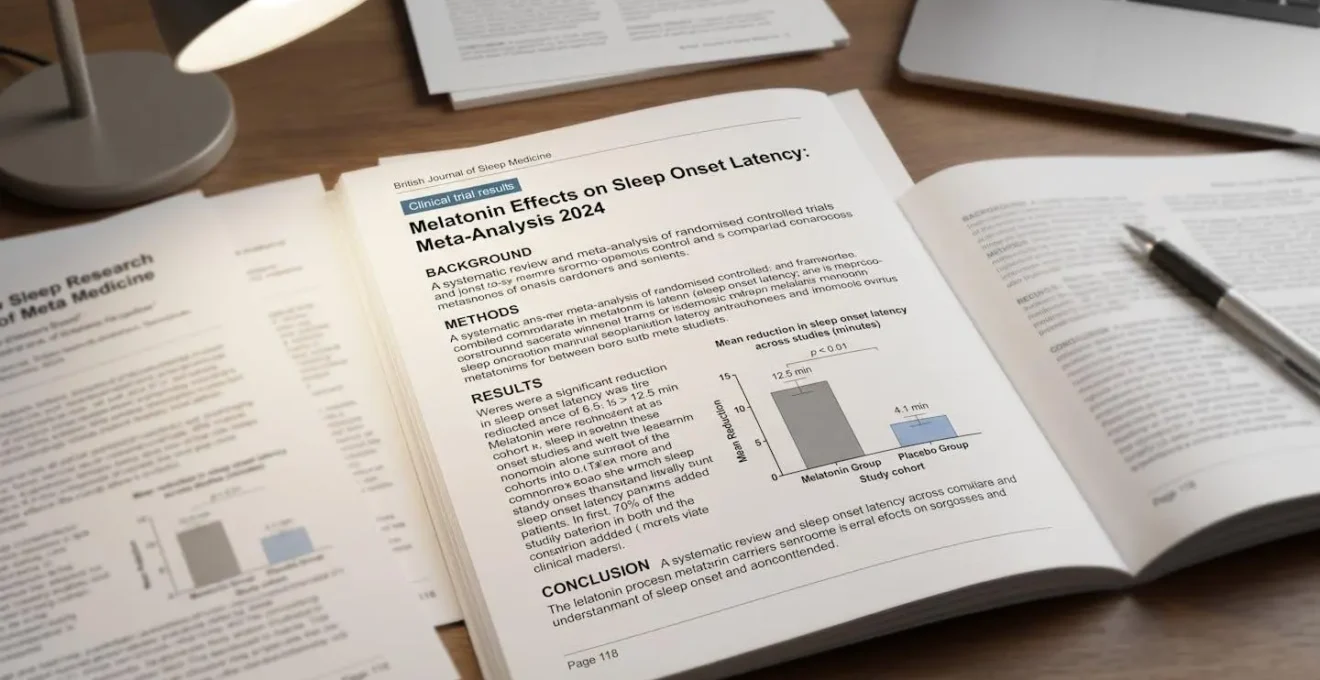
The diversity of mechanisms across these five ingredients becomes clearer when viewed through a comparative framework. The table below synthesises key characteristics, allowing direct evaluation of which compounds suit specific sleep disruption patterns.
| Ingredient | Primary mechanism | Evidence-based dosage | Best application | Key precautions |
|---|---|---|---|---|
| Melatonin | Circadian rhythm regulation | 0.5-1mg (UK OTC limit) | Sleep onset difficulty, jet lag, shift work | Medication interactions (anticoagulants, immunosuppressants); short-term use recommended |
| Magnesium glycinate | GABA receptor modulation, cortisol reduction | 200-400mg | Sleep maintenance, nocturnal waking, muscle tension | May affect antibiotic absorption; choose glycinate form for tolerance |
| Glycine | Core temperature reduction | 3g | Deep sleep enhancement, sleep quality improvement | Minimal known interactions; generally well-tolerated |
| L-theanine | Alpha brain wave promotion, anxiolytic without sedation | 100-200mg | Racing thoughts, stress-related sleep disruption | May enhance effects of blood pressure medications |
| GABA | Inhibitory neurotransmitter activity | 100-500mg (formulation-dependent) | Neural hyperactivity, difficulty switching off | Oral bioavailability debated; choose quality formulations |
When combined formulations outperform isolated compounds
Single-ingredient approaches carry inherent limitations when sleep disruption involves multiple mechanisms. Consider the common scenario of an individual experiencing both difficulty falling asleep (suggesting circadian misalignment or insufficient melatonin) and frequent nocturnal awakenings (indicating inadequate GABA activity or magnesium deficiency). Addressing only one pathway leaves the other disruption mechanism active, producing partial results that undermine adherence and confidence in the intervention.
Research on ingredient combinations demonstrates synergistic effects that exceed simple additive predictions. Trials combining magnesium with glycine show superior improvements in subjective sleep quality compared to either ingredient alone. Similarly, pairing melatonin (for onset) with L-theanine (for stress-related rumination) addresses both the circadian timing and the psychological barriers to sleep initiation. The clinical logic supports multi-mechanism formulations for complex sleep presentations.
Rather than managing multiple individual supplements with attendant dosing complexity, integrated solutions exemplify the synergistic approach. Novanuit good night triple action – SANOFI combines melatonin, plant extracts and amino acids in a single formulation, addressing onset, maintenance and quality mechanisms simultaneously whilst simplifying the protocol. This integrated design delivers measurable improvements in both sleep onset and maintenance within 1-2 weeks for the majority of users.
When evaluating multi-ingredient products, priority criteria include: ingredient dosages that align with published clinical research rather than token amounts, full transparency in labelling (avoiding proprietary blends that conceal individual quantities), third-party quality certifications such as GMP manufacturing standards, and formulation logic that combines complementary mechanisms rather than redundant pathways. Products meeting these standards deliver consistent outcomes whilst minimising the trial-and-error burden that characterises supplement selection for many individuals.
Medication interactions require professional guidance: Sleep supplements can interact with prescription medications including anticoagulants (melatonin), blood pressure treatments (L-theanine, magnesium), immunosuppressants (melatonin) and antibiotics (magnesium). Always consult your GP or pharmacist before starting supplementation if taking any prescription medications, or if pregnant, nursing or managing chronic health conditions. This precaution ensures both safety and therapeutic efficacy.
For patients presenting with multifactorial sleep disruption—onset delay combined with maintenance difficulties and stress-related hyperarousal—sequential single-ingredient trials rarely resolve the full clinical picture. Well-designed multi-ingredient formulations address this limitation by targeting complementary pathways simultaneously, often producing clinically meaningful improvements within two weeks where isolated interventions yielded only partial benefit.
Matching ingredient profiles to your sleep disruption pattern
Sleep disruption presents through distinct patterns, each suggesting different underlying mechanisms and therefore different ingredient priorities. Rather than adopting a one-size-fits-all approach, matching supplement selection to your specific presentation substantially improves the likelihood of meaningful benefit. The framework below provides evidence-based guidance for the four most common sleep disruption profiles encountered in clinical practice.
Consider Sarah, a 42-year-old marketing manager experiencing both 2-3am awakenings and difficulty falling asleep after stressful work days. Her profile combines maintenance issues (suggesting magnesium deficiency) with stress-related onset delay (suggesting L-theanine benefit). After 10 days using a combined formulation providing both ingredients, nocturnal awakenings decreased from 4-5 per week to 1-2, and sleep onset latency improved from 45 minutes to 20 minutes.

-
If you experience difficulty falling asleep (lying awake 30+ minutes, racing mind, circadian misalignment from shift work or travel):
Prioritise melatonin 0.5-1mg taken 60-90 minutes before desired bedtime. If anxiety or racing thoughts contribute to onset delay, add L-theanine 100-200mg in the evening. Melatonin directly signals your circadian system that sleep time approaches, reducing onset latency. L-theanine calms mental activity without sedation, addressing the psychological component preventing sleep initiation.
-
If you wake during the night (2-4am awakenings, difficulty returning to sleep, light sleep quality):
Prioritise magnesium glycinate 200-400mg with your evening meal or before bed. Consider adding glycine 3g before bed for enhanced deep sleep consolidation. Magnesium sustains GABA activity and reduces cortisol spikes that trigger nocturnal waking. Glycine facilitates the core temperature reduction required for deep sleep stages, improving overall sleep architecture.
-
If racing thoughts and stress prevent sleep (mental hyperactivity, worry, unable to switch off):
Prioritise L-theanine 200mg in the evening, combined with magnesium 200-300mg. Consider GABA 100-500mg if well-tolerated. L-theanine promotes alpha brain waves associated with relaxed alertness, magnesium reduces stress hormone activity, and GABA supports inhibitory neurotransmission. Pairing supplementation with gentle ways for stress release such as breathing exercises or progressive relaxation amplifies the neurochemical effects, addressing both the physiological and behavioural aspects of stress-related sleep disruption.
-
If you experience multiple issues (onset difficulties plus maintenance problems plus poor subjective quality):
Complex sleep disruption involving multiple mechanisms benefits from multi-ingredient synergistic formulations that address onset, maintenance and quality simultaneously. Quality products combining melatonin, magnesium and amino acids in evidence-based ratios deliver comprehensive coverage of sleep-regulating pathways, producing noticeable improvements within 1-2 weeks whilst simplifying the dosing protocol compared to managing multiple individual supplements.
Your questions about sleep-enhancing ingredients answered
How long before I notice improvements in sleep quality?
Timeline varies by ingredient and individual response. Melatonin often demonstrates effects within 1-3 nights for sleep onset difficulties, given its direct action on circadian signalling. Magnesium and amino acids (glycine, L-theanine) typically require 1-2 weeks of consistent use for noticeable improvements in sleep maintenance and subjective quality, reflecting the time needed to restore optimal tissue levels and neurotransmitter balance. Well-formulated multi-ingredient products demonstrate measurable changes within 7-14 days for the majority of users.
Can I take sleep supplements if I’m on prescription medication?
Always consult your GP or pharmacist before combining supplements with prescription medications. Melatonin can interact with blood thinners (warfarin, heparin), immunosuppressants (ciclosporin, tacrolimus) and diabetes medications. Magnesium may affect absorption of certain antibiotics (fluoroquinolones, tetracyclines) when taken simultaneously. L-theanine may potentiate blood pressure medications. Professional guidance ensures both safety and therapeutic efficacy when combining interventions.
Is it safe to take sleep supplements long-term?
Safety profiles differ substantially across ingredients. Magnesium, glycine and L-theanine demonstrate excellent long-term safety records with minimal adverse effects when used at recommended dosages. Melatonin, however, is generally recommended for short-term use (weeks to months) rather than indefinite daily supplementation, particularly at higher doses. Cycling strategies or as-needed approaches often work well for sustained sleep support without continuous reliance on any single intervention.
Why are melatonin dosages different in the UK versus the US?
UK regulations classify melatonin above 1mg as prescription-only, whilst US supplements commonly contain 5-10mg available over-the-counter. The UK regulatory approach reflects evidence that lower doses (0.5-1mg) often prove equally effective for circadian regulation whilst minimising next-day sedation and other dose-related effects. Research suggests that higher doses do not necessarily produce proportionally better outcomes, supporting the UK’s conservative dosing framework.
Should I take sleep supplements every night or only when needed?
Strategy depends on your sleep pattern and the specific ingredient. Chronic insomnia may benefit from consistent nightly use for 2-4 weeks minimum to re-establish healthy sleep architecture and restore depleted nutrients. Occasional sleep disruption suits as-needed use around predictable triggers (travel, stress events). Magnesium offers cumulative benefits with daily use due to its role in numerous physiological processes beyond sleep. Melatonin works acutely for situational needs such as jet lag or shift transitions, making intermittent use appropriate for these applications.
Sleep quality influences every dimension of health and performance. Having identified the ingredients and strategies most likely to enhance your specific sleep pattern, understanding the profound effects of sleep on focus and metabolism reinforces why investing in evidence-based sleep support yields returns across cognitive function, metabolic health and long-term disease risk.
Effective sleep support combines evidence-based ingredient selection matched to your disruption pattern, appropriate dosing aligned with clinical research, and consistent timing. If sleep difficulties persist despite supplementation, consult a GP, registered dietitian or pharmacist with expertise in sleep disorders for personalised assessment and guidance.
Important considerations before supplementing:
- This article provides general information about sleep-supporting ingredients and cannot replace personalised medical guidance
- Individual responses to supplements vary significantly based on health status, medications and underlying conditions
- Supplement formulations and regulations differ between UK, EU and other markets
- Sleep disturbances can signal underlying health conditions requiring professional diagnosis
Potential risks include:
- Interactions with prescription medications (particularly sedatives, antidepressants, blood pressure medications)
- Contraindications for pregnant or nursing women and individuals with specific health conditions
- Quality and dosage variations between supplement brands and regulatory jurisdictions
Consult a GP, registered dietitian or pharmacist with expertise in nutritional supplements for personalised guidance appropriate to your health status and circumstances.